
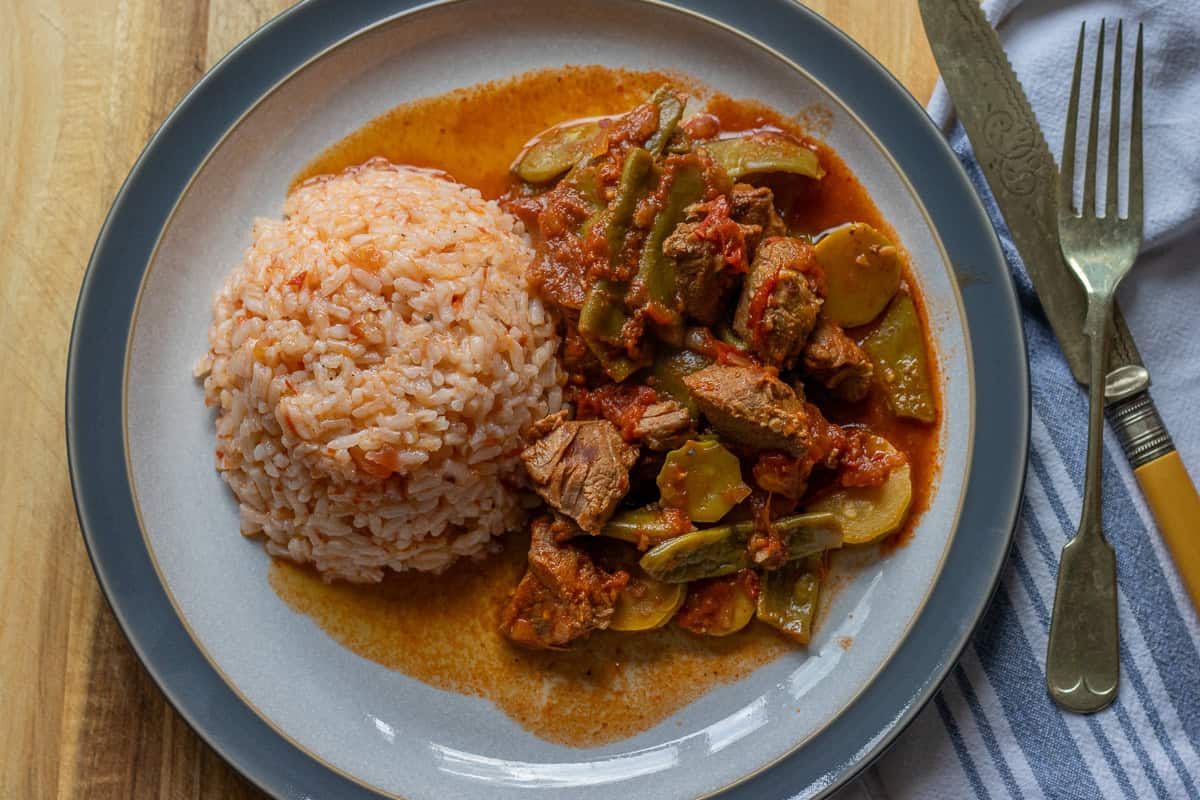
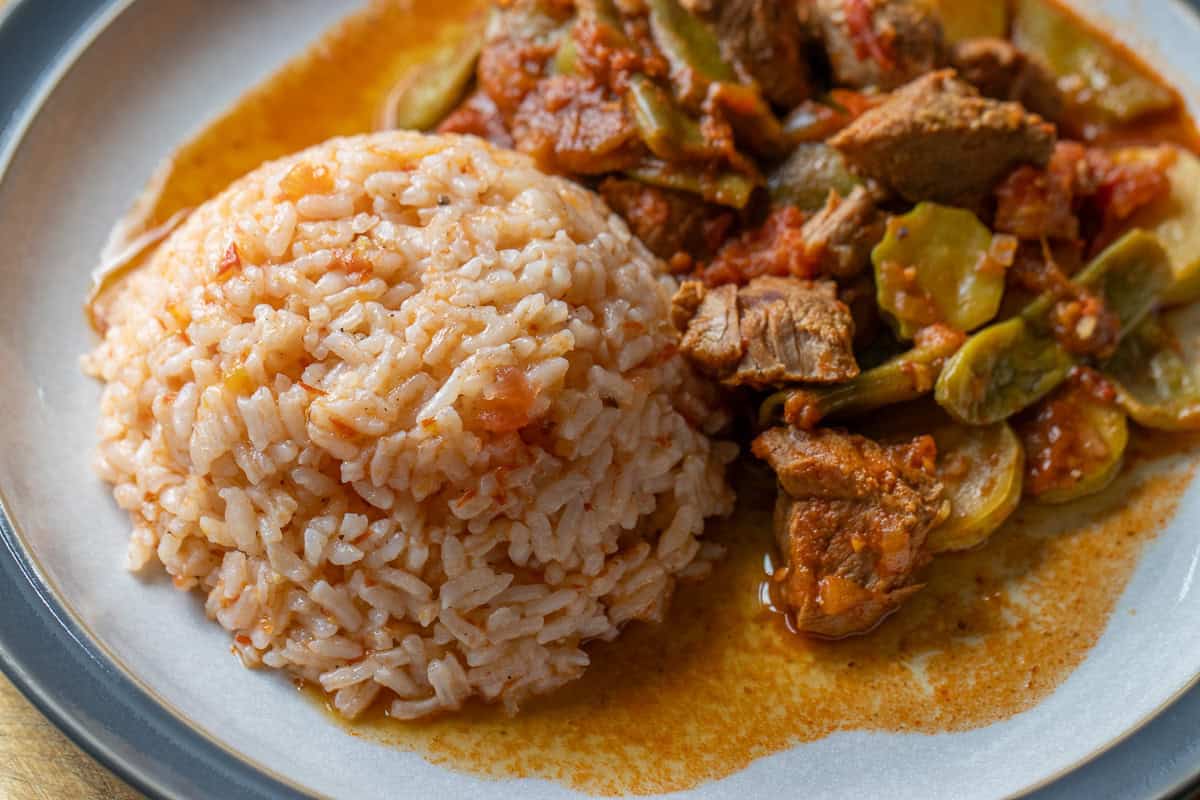
My Tomato and Rice Recipe is a Turkish side dish called Domatesli Pilav, made with short-grain rice, fresh tomatoes, butter, olive oil, and a little seasoning. It is fluffy, lightly tangy, and perfect to serve with our family favorite dishes such as Lamb Shish Kebab, Grilled Chicken Thighs, Green Bean Stew with Meat, or Turlu - Mediterranean Roasted Vegetables.
Jump to:
- Why This Recipe Works
- What Is Domatesli Pilav?
- How Is Turkish Tomato Rice Different?
- Ingredients You'll Need
- How to Make Tomato Rice Pilaf
- Rice-to-Liquid Ratio
- Fresh Tomatoes or Tomato Paste?
- Recipe Tips From the Chef
- Variations
- Using a Rice Cooker or Instant Pot
- What to Serve with Tomato and Rice
- Storage and Reheating
- Recipe FAQs
- Related Recipes
- Tomato and Rice Recipe - Turkish Domatesli Pilav
Unlike Southern tomatoes and rice or spicy Indian tomato rice, this Turkish version is cooked pilaf style. The rice is rinsed, briefly cooked with the tomato mixture, then simmered gently until the grains are tender and separate. It is ready in under 30 minutes and works just as well with fresh summer tomatoes as it does with good tomato paste when tomatoes are not at their best.
The tomatoes give the rice a warm reddish color and a mild, slightly sweet flavor that makes it more interesting than plain rice. The grains turn out soft and fluffy without sticking together.
Why This Recipe Works
- It uses simple pantry ingredients such as rice, tomatoes, butter, olive oil, salt, pepper, and a little sugar.
- The rice is rinsed before cooking, which helps remove excess starch and keeps the grains fluffy.
- Fresh tomatoes add the pilaf a light, natural flavor, especially when they are ripe and juicy.
- Butter and olive oil give the best flavor, but you can use only olive oil for a dairy free or vegan version.
- It is a great side dish for Turkish, Mediterranean, Middle Eastern, and everyday family meals.
What Is Domatesli Pilav?
Domatesli Pilav is a Turkish dish made with rice, fresh tomatoes, butter or olive oil, and simple seasoning. It is often served as a side dish with grilled meat, chicken, köfte, kebabs, or yogurt-based salads.
The cooking method is similar to other Turkish rice pilaf recipes. The rice is washed well, sometimes soaked briefly, then cooked gently with fat, tomatoes, and hot water or stock. Once the liquid is absorbed, the pilaf rests with the lid on before serving. This resting time helps the grains settle and become fluffy.
How Is Turkish Tomato Rice Different?
This Turkish recipe is different from Southern tomato and rice, Spanish rice, or Indian tomato rice. It is usually milder, less saucy, and not heavily spiced.
The focus is on the rice texture. The grains should be tender but not mushy, with enough tomato flavor to make the pilaf more interesting than plain rice. It is a simple side dish rather than a heavily seasoned main meal.
Ingredients You'll Need
Please scroll down to the recipe card below for the full ingredients list with measurements, complete recipe method, recipe notes, and nutritional information.
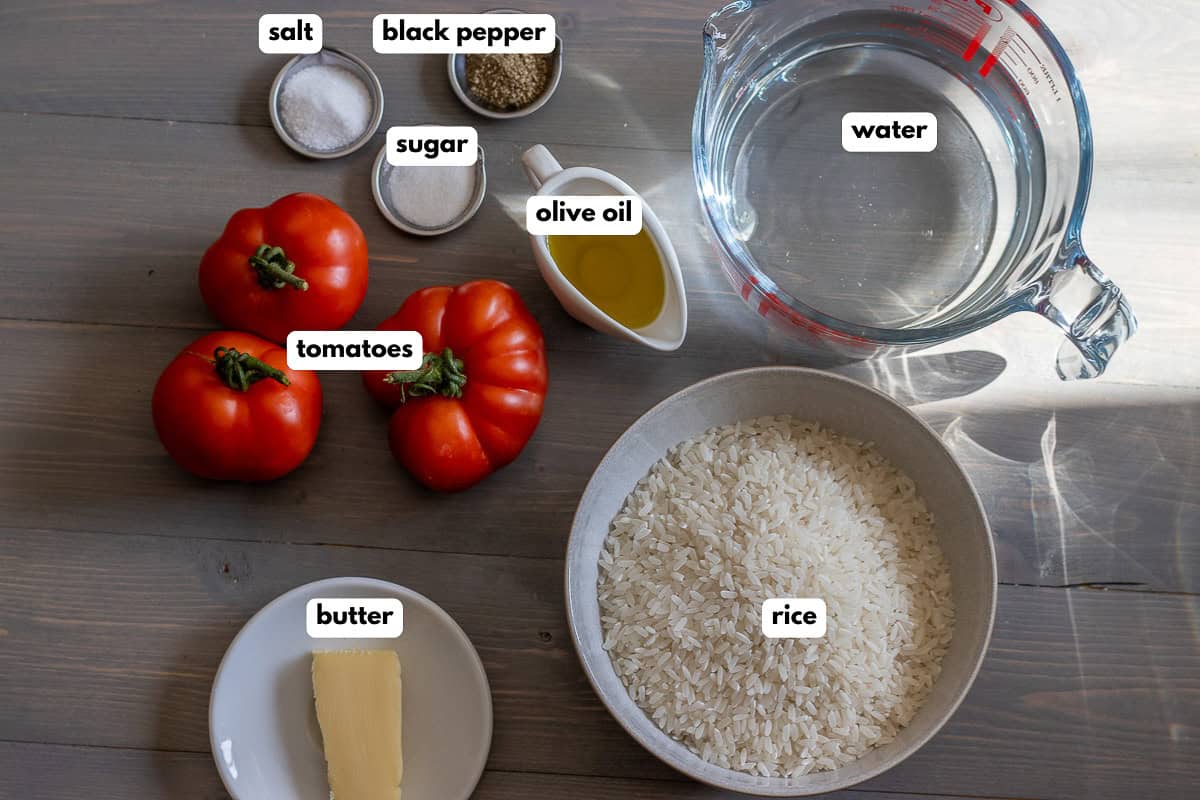
- Rice - Baldo rice is the best choice for Turkish Domatesli Pilav. It is a short grain rice grown in Turkey and is commonly used for Turkish pilaf. It absorbs liquid well and gives the pilaf a soft but separate texture when cooked properly. You can also use other varieties such as Osmancik or Tosya. Italian arborio rice can work as an alternative, but the texture will be slightly different. Avoid long grain rice for this recipe if you want a more traditional Turkish pilaf texture.
- Tomatoes - Fresh ripe tomatoes are best when they are in season. They give the pilaf a lighter taste and a lovely natural sweetness. Grate them or blend them before adding them to the pan. If fresh tomatoes are not sweet or juicy, use tomato paste instead. Mix it with a little hot water before adding it to the rice. You can also use canned crushed tomatoes or passata, but cook them for a few minutes first so the raw tomato taste softens.
- Butter and olive oil - I use both butter and olive oil for flavor. Butter gives the pilaf a richer taste, while olive oil keeps it lighter. For a vegan or dairy free tomato rice recipe, skip the butter and use olive oil only. The method stays the same.
- Seasoning - Salt and black pepper are enough for this simple rice pilaf. A small amount of sugar helps balance the acidity of the tomatoes, especially if they are not very sweet. You can skip the sugar if your tomatoes are ripe and naturally sweet.
How to Make Tomato Rice Pilaf
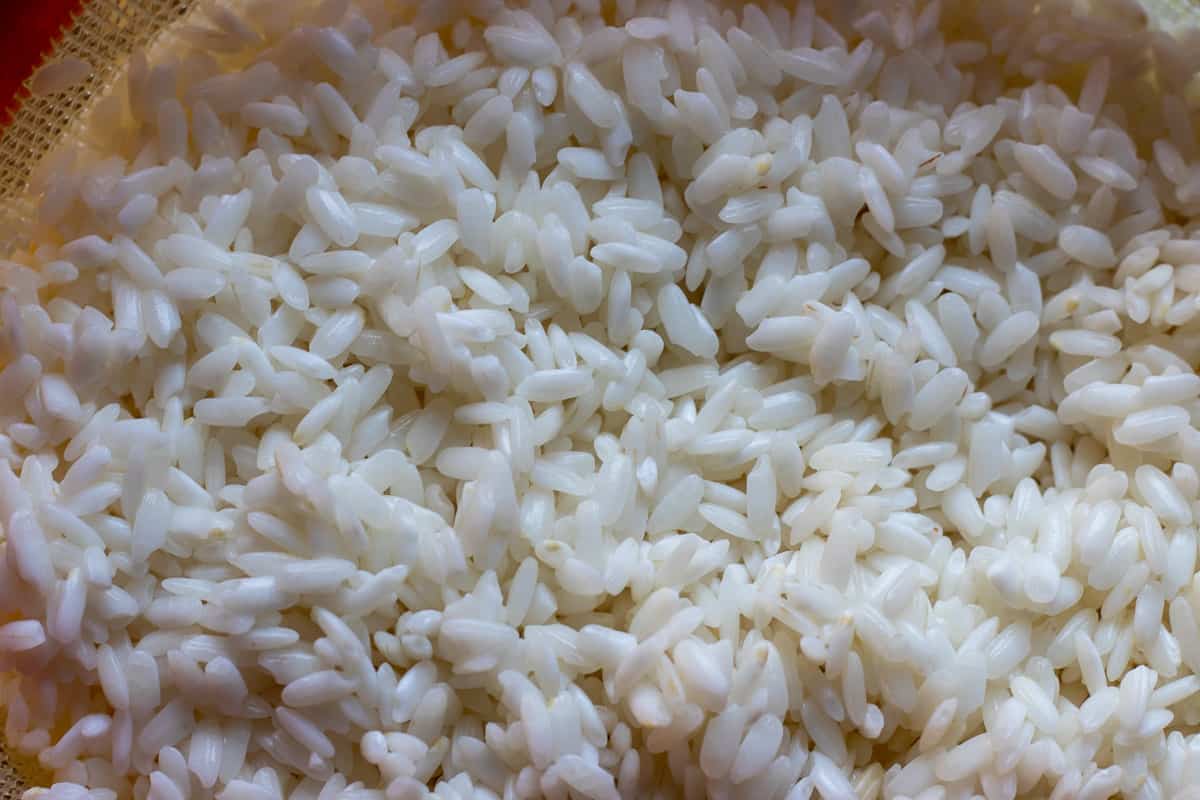
Place the rice in a sieve and rinse it under cold running water until the water runs mostly clear. This removes excess starch and helps the grains stay separate during cooking.
If you have time, soak the rinsed rice in cold water for 15 to 20 minutes. Soaking helps the rice cook more evenly and gives the pilaf a lighter texture. Drain the rice well before adding it to the pan.
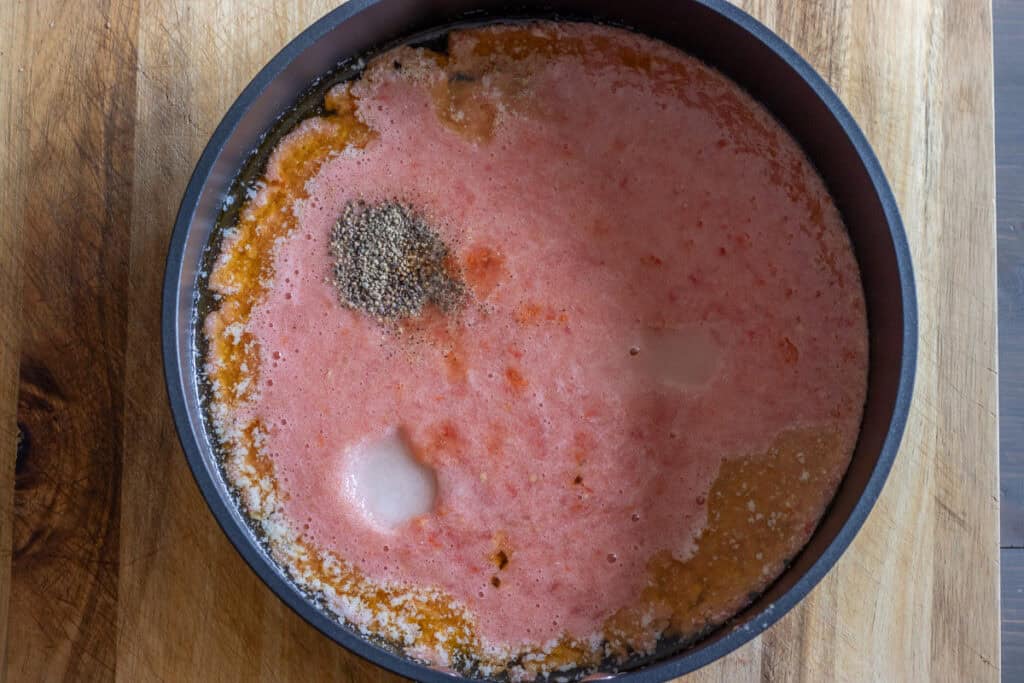
Grate the fresh tomatoes or blend them for a smoother texture. You can remove the skins if you prefer, but it is not always necessary if the tomatoes are grated.
If using tomato paste instead of fresh tomatoes, dissolve it in a little hot water before adding it to the pan. This helps it mix evenly through the rice.
Heat the butter and olive oil in a pan over medium heat. Add the grated tomatoes and cook for a few minutes, stirring occasionally, until the tomato liquid reduces slightly and the raw smell disappears.
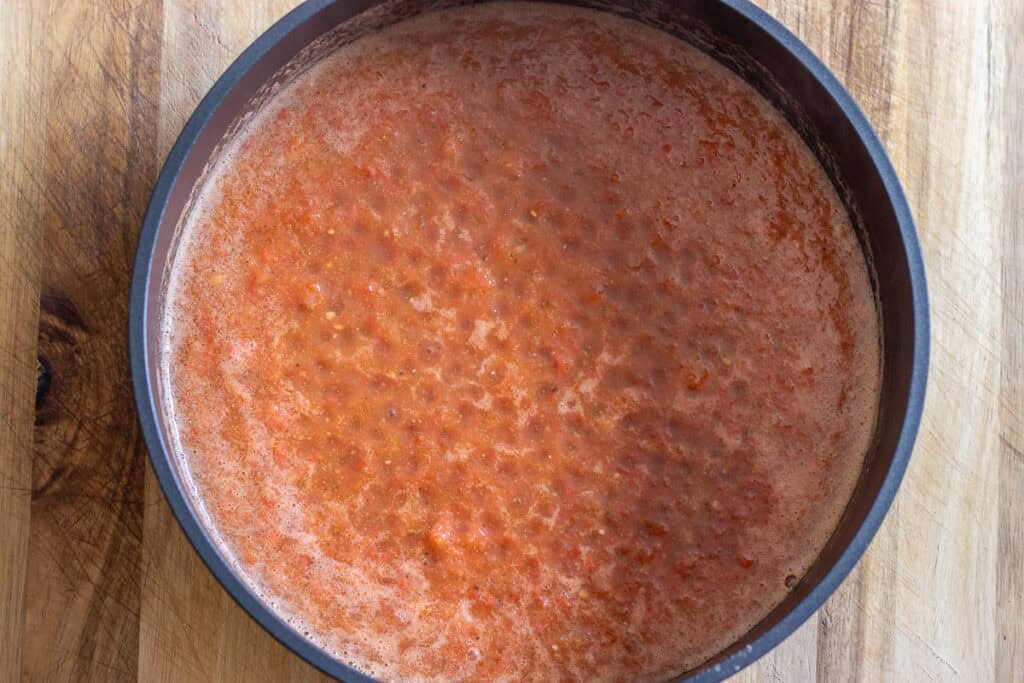
Drain the rice well, then add it to the tomato mixture. Stir gently for about a minute so each grain is coated with the tomato, butter, and olive oil.
Do not stir too hard or too long. The aim is to coat the rice without breaking the grains. Pour in the hot water or vegetable stock. Add the salt, black pepper, and sugar if using. Stir once, then bring it to a gentle simmer.
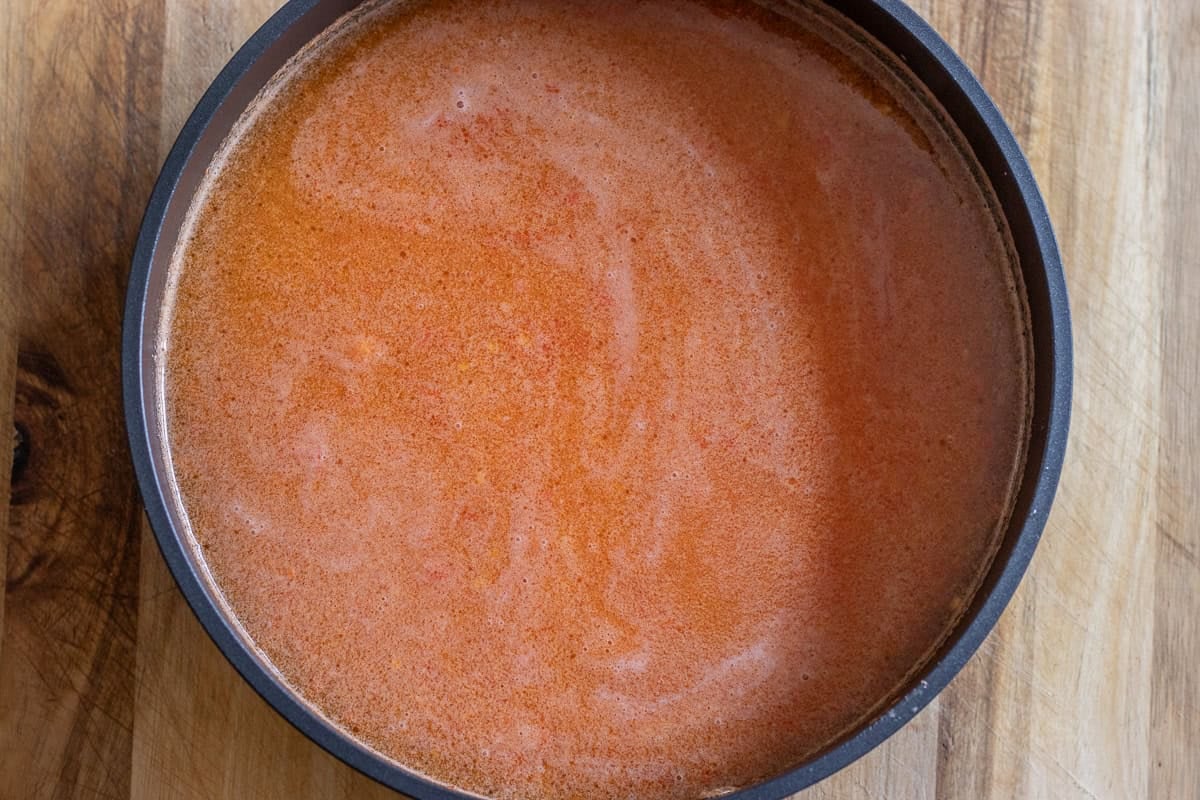
Reduce the heat to very low, cover the pan with a tight fitting lid, and cook for 12 to 18 minutes, or until the liquid is absorbed and the rice is tender. Try not to lift the lid while the rice is cooking.
Turn off the heat and leave the pan covered for 8 to 10 minutes. You can place a clean kitchen towel or paper towel under the lid to absorb extra steam.
Gently fluff the rice with a fork before serving.

Rice-to-Liquid Ratio
The exact amount of liquid depends on the rice, the tomatoes, and whether the rice has been soaked. For this recipe, I use 2 cups short grain rice with 2⅓ cups 550 ml water or stock, along with the fresh tomatoes. This works well when the rice has been rinsed and soaked briefly.
If you rinse the rice but do not soak it, you may need a little more liquid and a few extra minutes of cooking time. If your tomatoes are very juicy, you may need slightly less water.
The rice should be tender, but the grains should not be swimming in liquid at the end.
Fresh Tomatoes or Tomato Paste?
Fresh tomatoes give this pilaf a lighter, fresher taste. They are best in summer when tomatoes are ripe, sweet, and full of flavor.
Tomato paste gives a deeper color and stronger tomato flavor. It is a good option when fresh tomatoes are bland or out of season. Use 1 to 2 tablespoons of tomato paste mixed with about ½ cup hot water for 2 cups of rice, then adjust the rest of the liquid as needed.
You can also use canned crushed tomatoes or passata. Cook them in the butter and olive oil for a few minutes before adding the rice.
Recipe Tips From the Chef
- Use the right rice. Baldo, Osmancik, or Tosya rice works best for Turkish tomato rice pilaf. You can use Arborio rice if Turkish rice is not available.
- Rinse the rice well until the water runs mostly clear. This helps remove excess starch and keeps the pilaf fluffy.
- Soak the rice if you have time. Even 15 to 20 minutes makes a difference to the texture.
- Cook the tomatoes for a few minutes first. This gives the pilaf better flavor and stops the tomatoes from tasting raw.
- Do not keep stirring once the liquid is added. Stir once, cover the pan, and let the rice cook gently.
- Let the pilaf rest before serving. This is one of the most important steps for fluffy Turkish rice.
Variations
Tomato Rice with Green Pepper
Sauté one finely chopped green pepper in the butter and olive oil before adding the tomatoes. This gives the rice a more traditional Turkish home cooking flavor.
Tomato Rice with Chicken or Lamb
You can mix in cooked leftover chicken or lamb to turn this tomato rice pilaf into a simple meal. Add the meat near the end of cooking or fold it through after the rice has rested.
Vegan Tomato Rice
Use olive oil instead of butter and cook the rice with vegetable stock or water. The pilaf will be lighter but still full of flavor.
Tomato Rice with Extra Aromatics
You can add a bay leaf, a few whole peppercorns, or a small pinch of dried mint for extra aroma. Keep it simple so the tomato and rice stay the main flavors.
Using a Rice Cooker or Instant Pot
Rice Cooker Method
Cook the tomato mixture and rice in a pan first, then transfer everything to the rice cooker. Add the hot water or stock and cook on the regular white rice setting. Let the rice rest in the rice cooker for about 8 minutes before fluffing.
Instant Pot Method
Use the sauté function to cook the tomatoes with butter and olive oil. Add the drained rice and stir gently. Add hot water or stock, salt, pepper, and sugar if using. Cook on high pressure for 1 to 2 minutes, then let the pressure release naturally for 10 minutes before opening the lid and fluffing the rice.
What to Serve with Tomato and Rice
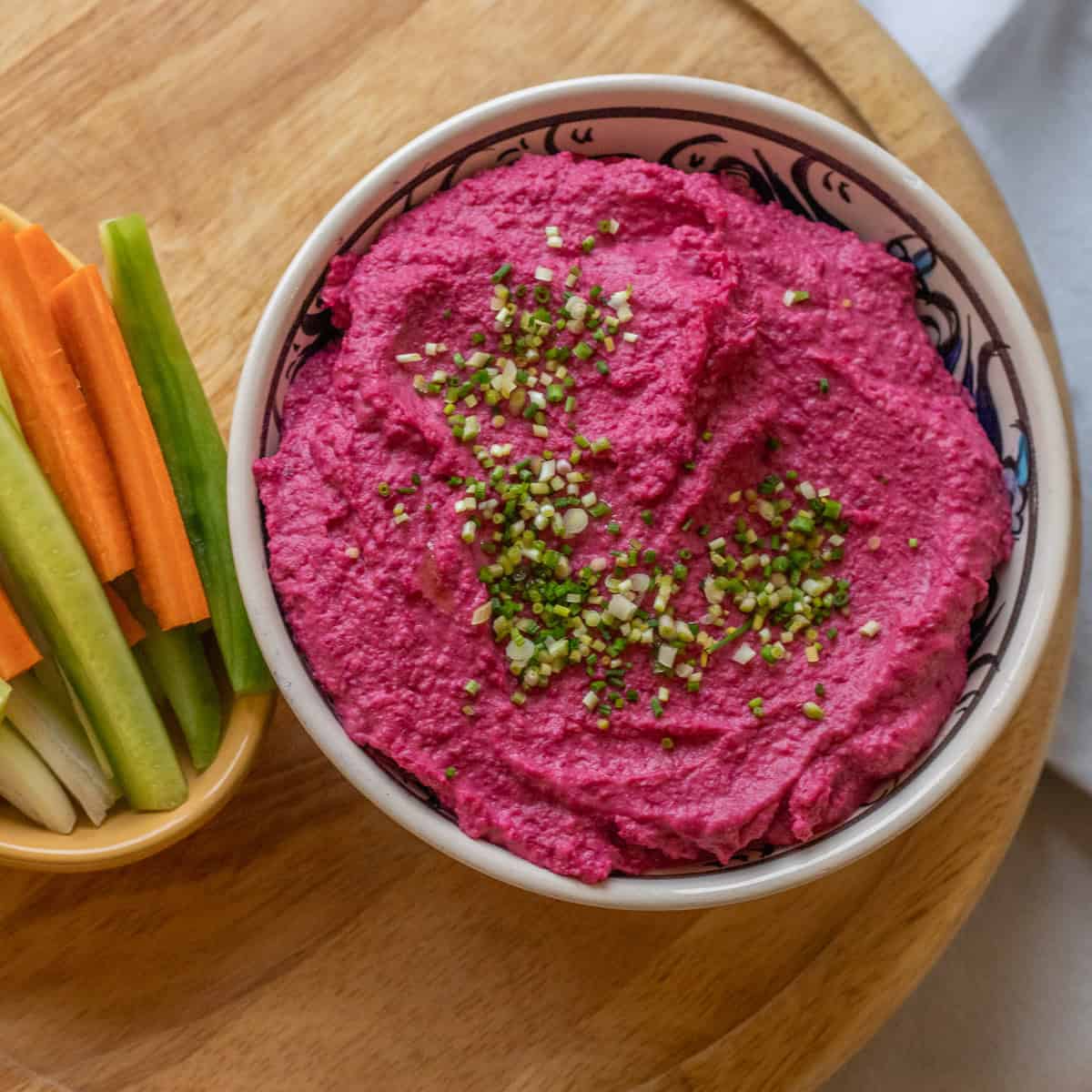
Tomato rice pilaf goes well with grilled meats, chicken, köfte, kebabs, roasted vegetables, and yogurt-based sides. I love serving it with Chicken Kofta, Turkish Spinach Dip - Borani, and Turkey Tenderloin in Oven.
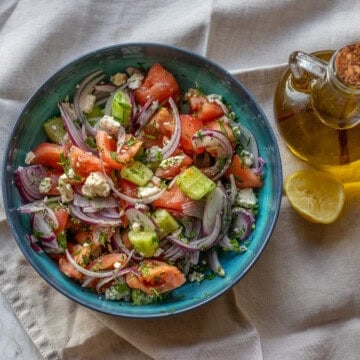
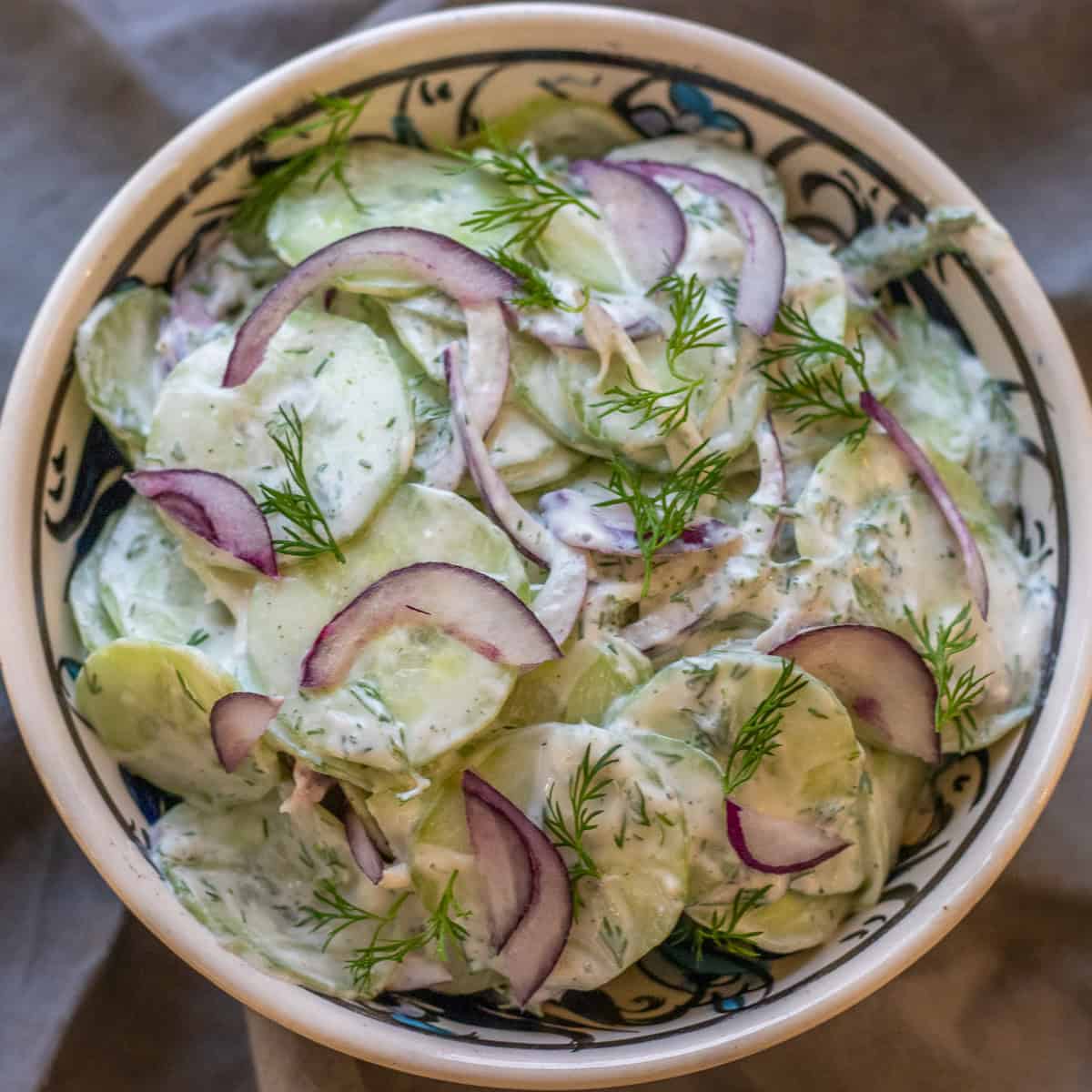
It is also delicious with a bowl of salad on the side, such as Creamy Cucumber Dill Salad, Cucumber Tomato Feta Cheese Salad, or Cacik (Turkish Yogurt With Cucumbers), Patlıcan Salatası - Smoky Turkish Eggplant Salad. Alternatively, you can mix in diced vegetables, chickpeas, or leftover Dutch Oven Roast Chicken meat and turn it into a delicious meal.
Storage and Reheating
Let the tomato rice cool completely before storing. Place leftovers in an airtight container and keep them in the refrigerator for up to 3 days.
Reheat gently in a pan or microwave with a small splash of water. Stir lightly once warm, but avoid mixing too much or the rice can become mushy.
You can also freeze tomato rice pilaf for up to 2 months. Freeze it in portions, thaw overnight in the refrigerator, then reheat with a little water until piping hot.
Recipe FAQs
Yes, simply use 1–2 tablespoons of tomato paste diluted in ½ cup hot water per 1 ½ cups rice, adjust salt and taste.
Tomato rice can turn mushy if there is too much liquid, the rice is stirred too much after the liquid is added, or the heat is too high. Rinse the rice well, use the right amount of liquid, cook it on very low heat, and let it rest before fluffing.
Taste the liquid before covering and cut back on added salt if either is already salty.
Related Recipes
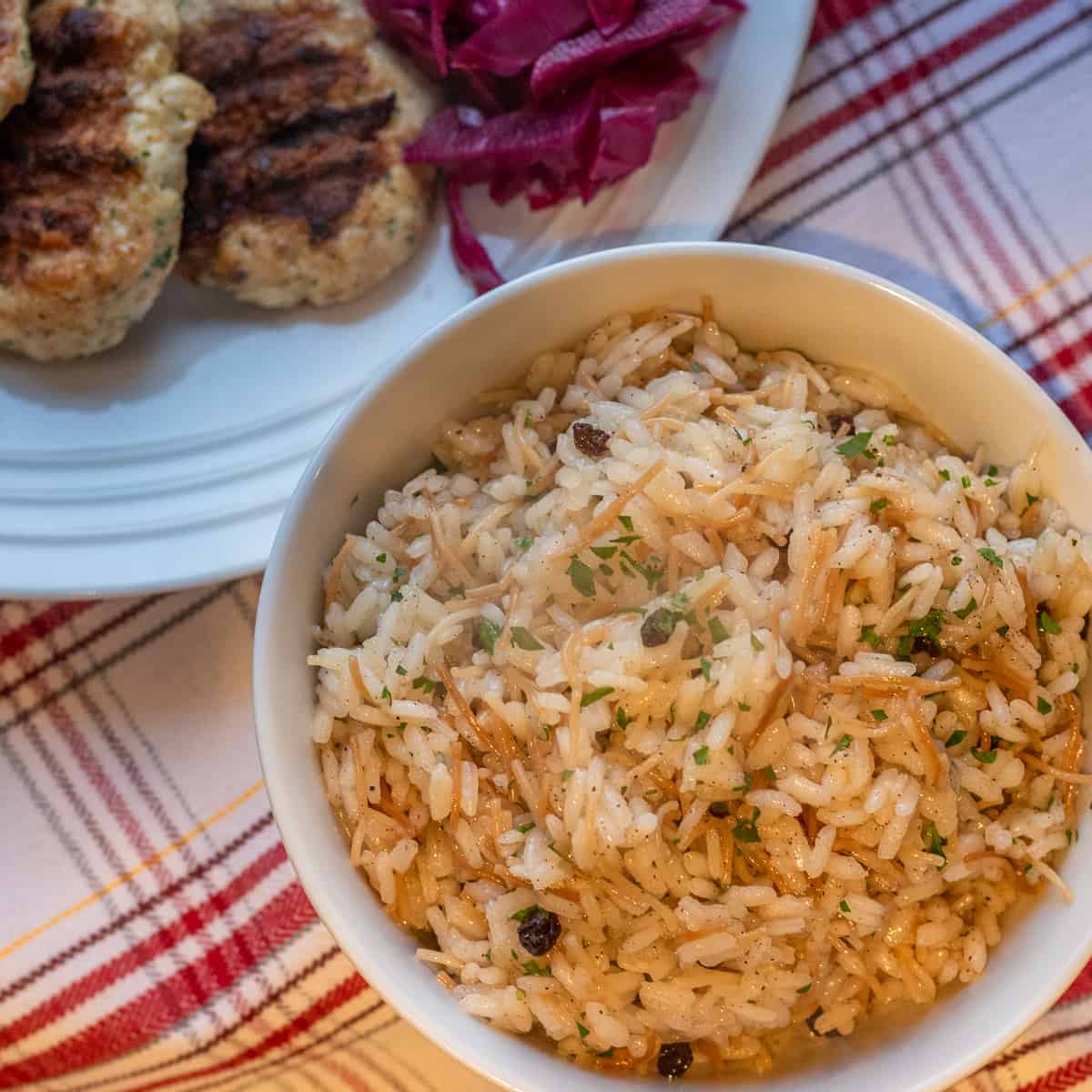
For more delicious rice side dish recipes, why not try:

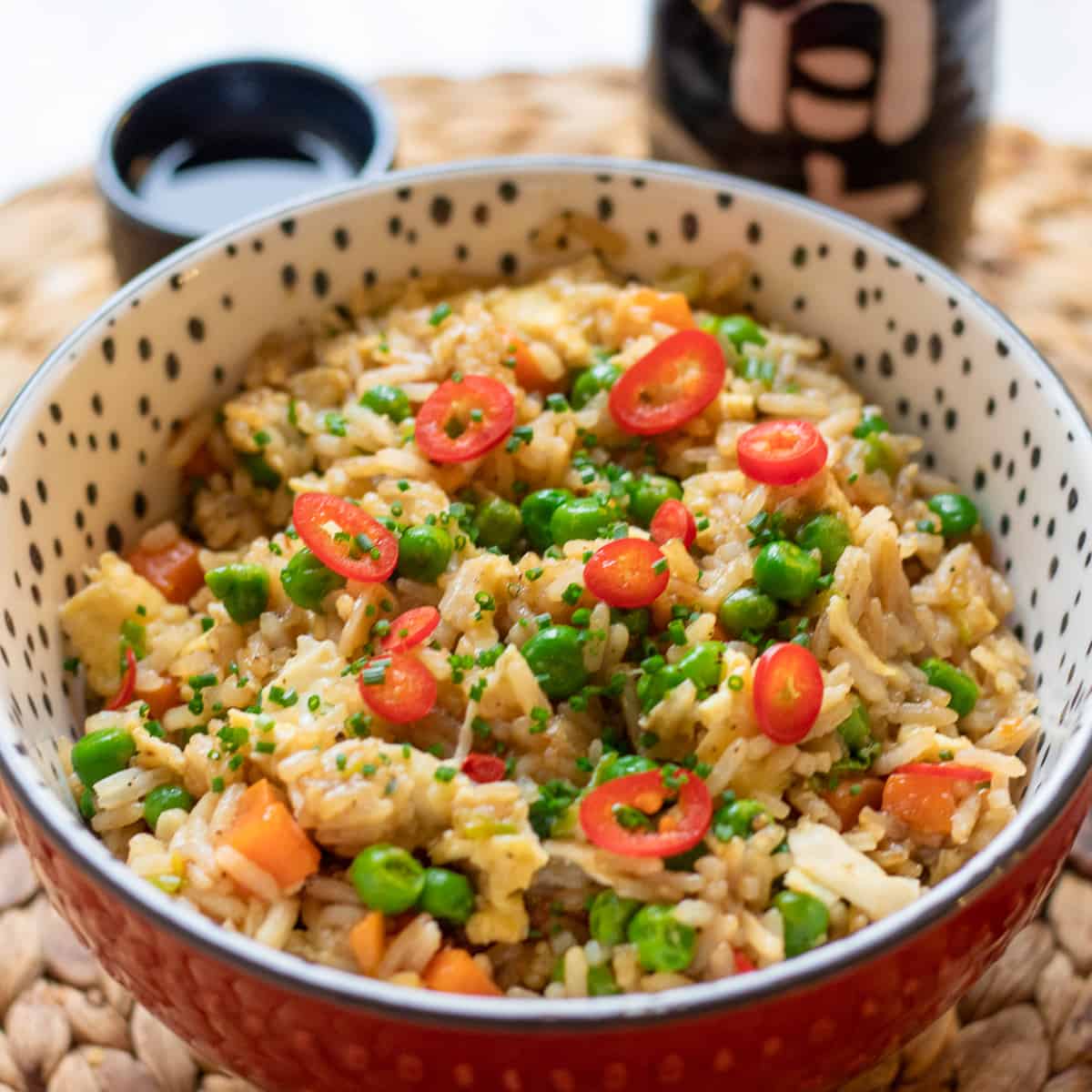
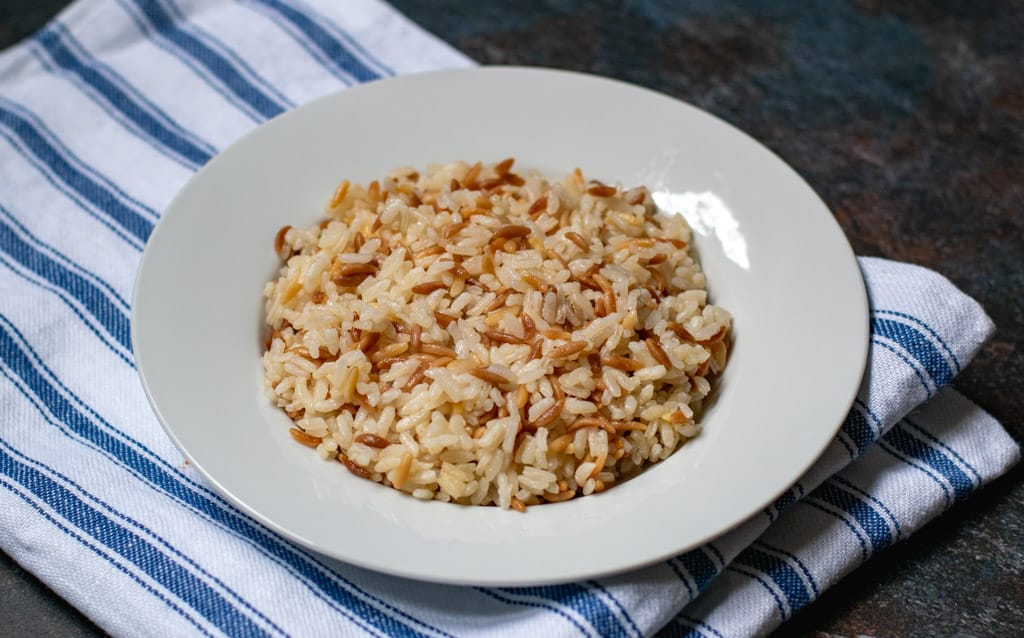
Did you make this recipe? Please let me know how it turned out! Leave a comment below and tag @cookingorgeous on Instagram and hashtag it #cookingorgeous.
I hope you enjoy the process of making this delicious Turkish side dish, "Tomato and Rice Recipe - Domatesli Pilav", as much as you enjoy eating it! 🙂
Want to Save This Recipe?
Enter your email & I'll send it to your inbox. Plus, get great new recipes from me every week!
By submitting this form, you consent to receive emails from Cooking Gorgeous
Tomato and Rice Recipe - Turkish Domatesli Pilav
Ingredients
- 2 cups short-grain rice such as baldo, osmancik, or tosya (400 g)
- 1 tablespoon butter
- 1 tablespoon good quality olive oil
- 3 medium tomatoes (350 g to 400 g / 12 oz to 14 oz)
- 2 ⅓ cups water or vegetable stock (550 ml)
- 1 teaspoon salt
- ½ teaspoon freshly ground black pepper
- ½ teaspoon sugar
Instructions
- Place the rice in a sieve and wash it under running cold water until the water from the rice runs clear. This is necessary to help the grains stay separate and give the rice a fluffy texture.
- Let it soak for 15–20 minutes if you have time.
- Grate fresh tomatoes or blitz them if you’d like a smoother texture. If using tomato paste, dissolve it in a bit of hot water.
- Heat butter and oil in your pot over medium heat. Add your tomato, and cook for a few minutes until it smells mellow and the liquid reduces slightly.
- Drain the rice, and add it to the pot. Stir gently for a minute so every grain gets coated in that tomato mix.
- Pour in hot water or stock plus salt (and sugar if using).
- Bring to a gentle simmer, then turn heat very low, cover, and let cook 12–18 minutes, or until the liquid is absorbed and rice is tender.
- Turn off the heat, leave the pot covered for another 8–10 minutes. Fluff with a fork before serving.
Brushjl says
I am not a tomatoes fan, but this was delicious. I made it with pastirmali kuru fasulye and it was great.
Ayla Clulee says
I am so pleased to hear that, Brushjl!
Best wishes,
Ayla
Brushjl says
I am not a tomatoes fan, but this was deliciousm